
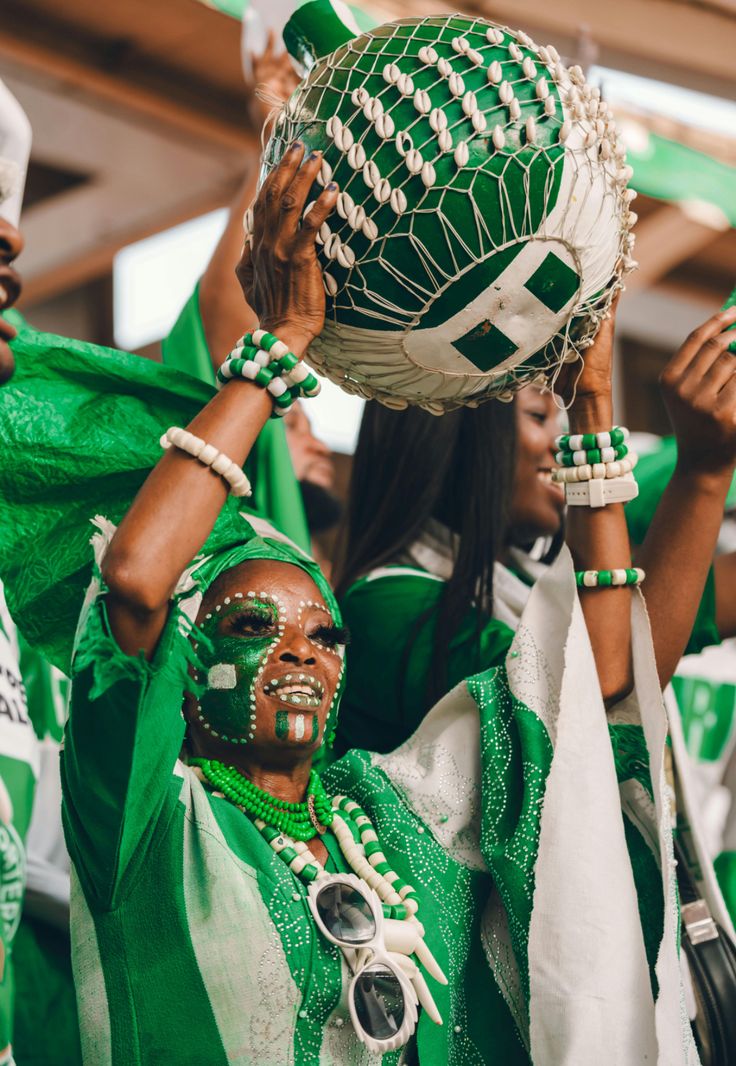
Long before Nigerian fashion became a regular feature on international runways, the country’s traditional fabrics were already telling stories of identity, craftsmanship and cultural expression. Woven by hand, dyed with intricate techniques and worn at significant moments, these textiles carry histories that go beyond their appearance.
Across Nigeria, different communities developed distinctive ways of producing and wearing cloth. Some fabrics became symbols of social status and celebration, others reflected indigenous knowledge passed down through generations. Today, many of them are finding new relevance as designers and fashion enthusiasts bring traditional materials into contemporary styles.
Among the most recognisable is Aso Oke, a handwoven textile associated with the Yoruba people of southwestern Nigeria. The name is commonly translated as “cloth from the top” or “cloth from the hill,” and the fabric has long held a place of distinction in Yoruba society. Its production involves weaving narrow strips on traditional looms and stitching them together to create a larger piece of cloth.
Traditionally woven with cotton and, in some varieties, silk or other threads, Aso Oke is valued for its texture, intricate patterns and craftsmanship. It is particularly prominent at weddings, chieftaincy ceremonies, coronations and other important occasions. For many Yoruba families, it is more than an item of clothing; it represents heritage, prestige and belonging.
Its varieties include Alaari, often recognised by its red colour; Sanyan, traditionally associated with a natural beige or brown shade; and Etu, known for its deep indigo appearance. Each reflects the skill involved in producing a fabric that has remained culturally significant across generations.
Another important textile is Adire, a Yoruba resist-dyed fabric traditionally associated with southwestern Nigeria, particularly Abeokuta in Ogun State. Unlike Aso Oke, which is woven, Adire is created by applying resist techniques to cloth before dyeing it, commonly with indigo.
The patterns are formed through different methods, including tying, stitching, folding and applying cassava-starch paste to selected areas of the fabric. These techniques prevent the dye from reaching certain parts, producing distinctive designs when the cloth is unfolded or washed.
Adire became especially prominent in Abeokuta during the nineteenth century, where women played significant roles in its production and trade. Its patterns reflect creativity and indigenous knowledge, with each design contributing to the fabric’s visual character. Although it has evolved over time, Adire remains an important expression of Yoruba textile heritage.
In southeastern Nigeria, Akwete cloth represents another tradition of handwoven textile production. Named after Akwete, a community in Abia State, the fabric is traditionally woven by Igbo women and is recognised for its colourful patterns and distinctive motifs.
The weaving process requires skill and patience, with designs incorporated into the cloth as it is produced. Akwete has traditionally been used for wrappers and other garments, particularly for special occasions. Its patterns and colours distinguish it from other Nigerian textiles, making it an important part of the region’s cultural identity.
However, the place of Akwete in contemporary fashion raises questions about the continuity of indigenous textile traditions. While the fabric remains valued for its craftsmanship, its use in everyday and modern clothing has not always kept pace with changing fashion preferences. Renewed interest from designers could help bring greater visibility to the craft and the women who sustain it.
Further south in Delta State, Akwa-Ocha, meaning “white cloth,” holds cultural importance among the Anioma people, particularly communities in the Aniocha and Oshimili areas. The handwoven fabric is associated with ceremonial occasions and traditional identity. It is worn during important cultural events and may also be presented as a valued gift.
Although Ubulu-Uku is often associated with its production, the exact place and period of its origin remain uncertain. Its history is closely connected to the weaving traditions of Anioma communities, where women produced cloth from locally cultivated cotton. Akwa-Ocha is a reminder that Nigeria’s textile heritage extends beyond the country’s more widely recognised fabrics.
Then there is Ankara, perhaps one of the most familiar fabrics in Nigerian everyday and occasion wear. Its colourful prints appear at weddings, celebrations, religious gatherings and social events. It is also closely associated with aso-ebi, the coordinated clothing worn by family members and guests at celebrations.
However, unlike Aso Oke, Adire and Akwete, Ankara did not originate as an indigenous Nigerian textile. Its manufacturing history is linked to European attempts, particularly in the Netherlands, to reproduce Indonesian batik using machines. The printed fabric eventually found a strong market in West Africa during the late nineteenth century and became deeply embedded in the region’s fashion culture.
Its history offers an interesting example of how a material can acquire cultural significance beyond the place where it was first manufactured. Although Ankara is not originally Nigerian, Nigerians have made it part of their own fashion expression, adapting its prints and styles to local tastes, celebrations and identities.
Today, the relationship between traditional Nigerian fabrics and contemporary fashion continues to evolve. Designers are incorporating Aso Oke, Adire and Akwete into modern dresses, jackets, skirts, shirts, accessories and other creative pieces. Rather than restricting these textiles to traditional ceremonies, they are exploring ways to make them relevant to changing lifestyles and fashion preferences.
This growing interest creates opportunities to celebrate the artisans and communities behind the fabrics. It also raises an important question about the future of indigenous textile production. Traditional weaving and dyeing require specialised knowledge, time and skill. If younger generations have fewer opportunities or incentives to learn these crafts, some techniques could gradually become less common.
Preserving these traditions therefore requires more than wearing the finished products. It involves recognising the people who make them, supporting local textile producers, documenting their knowledge and creating opportunities for their skills to remain economically valuable.
From the carefully woven strips of Aso Oke to the resist-dyed patterns of Adire, the intricate designs of Akwete and the ceremonial elegance of Akwa-Ocha, Nigerian fabrics carry stories that deserve to be known. Ankara, too, demonstrates how fashion can become part of a society’s identity through generations of use and adaptation.
These fabrics are not simply materials used to make clothes. They are expressions of history, creativity and belonging. And as Nigerian fashion continues to find new audiences, their stories remain an important part of the country’s cultural identity.