
Ô
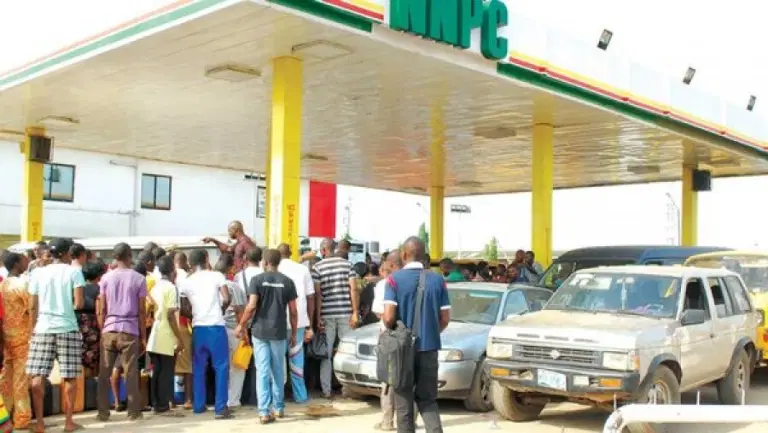
äThe Federal Government has announced a 30-day petrol price relief plan targeting ₦1,350 per litre at NNPC Limited filling stations, in a move unveiled by Finance Minister Taiwo Oyedele to cushion the impact of rising global crude oil prices on Nigerians. Under the arrangement, NNPC Retail is expected to forgo its retail profit margin and sell petrol at cost, while opposition figures and political parties have questioned whether the temporary measure will provide lasting relief after the 30-day period expires.
The plan is intended to help households and public transport operators cope with rising energy costs. The government says NNPC Retail will forgo its profit margin during the initial period, with the price arrangement reviewed monthly. It has also proposed forward sales of crude oil to domestic refiners and plans to develop a National Strategic Fuel Reserve to help protect consumers against future supply disruptions and price volatility.
Opposition Questions the Lasting Impact
The announcement has drawn criticism from opposition figures who argue that a 30-day discount will not address the wider cost-of-living crisis.
Former Vice President Atiku Abubakar questioned what Nigerians should expect after the offer expires, arguing that temporary relief would not resolve the pressures of high transport fares and rising food prices. He also questioned whether limiting the arrangement to NNPC stations would provide sufficient access and whether transport operators would pass any savings on to passengers.
The Nigeria Democratic Congress (NDC) also criticised the measure, describing it as inadequate and questioning whether designated NNPC outlets could serve enough Nigerians. Meanwhile, the African Democratic Congress Presidential Campaign Council accused the government of using the intervention to win public support ahead of the 2027 general elections. These are opposition parties’ allegations, not established findings.
The Federal Government has defended the plan, insisting that it is not a return to the blanket petrol subsidy removed in 2023. Finance Minister Taiwo Oyedele has warned that restoring the former subsidy arrangement could place additional pressure on public finances and the foreign exchange market. Those projections reflect the government’s position on the policy debate.
For Nigerians, however, the immediate concern is whether the intervention will translate into meaningful savings on transportation and essential goods—and what will happen when the initial 30 days end.
The success of the measure may ultimately depend not only on the price offered at participating filling stations, but also on how widely Nigerians can access it and whether the benefits reach commuters and households.